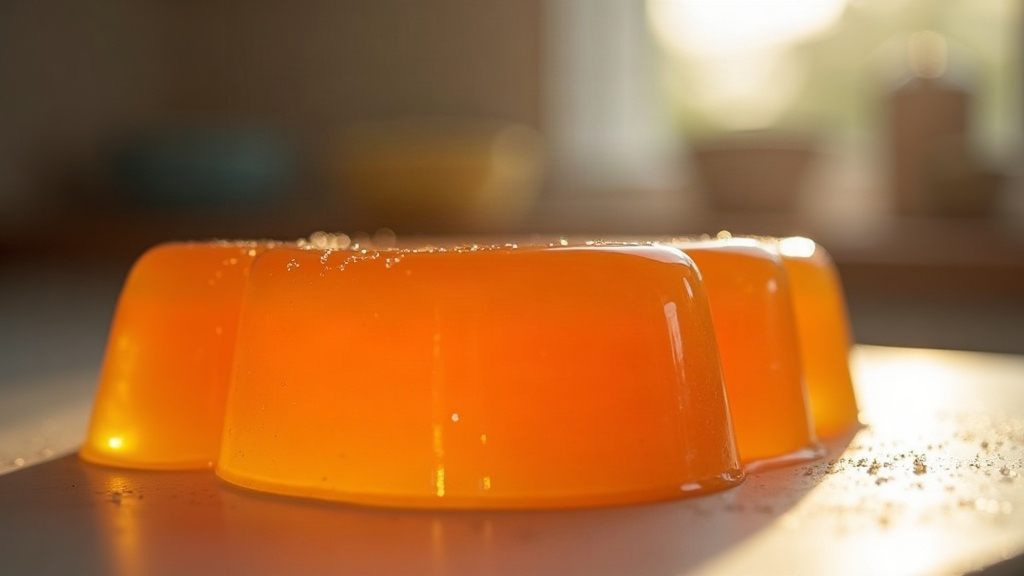
Long before it became a trending pantry staple, gelatin was a quiet kitchen tradition passed between generations. Today, more women are revisiting gelatin as part of everyday routines — not as a quick fix, but as a small, deliberate habit worth understanding.
Picture a Tuesday morning: coffee brewing, a mirror glance before work, the same breakfast as always — yet something feels different. These are the shifts many women notice long before they have a name for them.
The feeling of 'full' can start to arrive later, or not quite the same way it used to, changing how meals are planned and portioned.
Collagen — a structural protein the body produces less of over time — is often discussed alongside gelatin, its cooked form, as women look into everyday dietary habits.
The ratio of lean mass to other tissue can shift gradually, often independent of scale weight alone.
Generic calorie-counting rules rarely account for how differently bodies respond to the same routine at different life stages.
So much of what circulates about women’s metabolism is oversimplified. Here’s a grounded look at three common claims.
Metabolism completely stops after a certain age.
Metabolic rate shifts gradually across life stages and varies by individual — it doesn’t simply switch off.
Cutting all fats and carbs is the only path forward.
Balanced, varied eating patterns — including protein sources like gelatin — are commonly discussed as part of everyday nourishment, not extreme elimination.
Feeling hungry all the time means you’re doing something right.
Persistent hunger is often a signal worth paying attention to, not a badge of discipline or progress.
Rather than a rigid plan, this is a way of paying attention — three small steps some women use to build awareness before changing anything else.
Before adding or removing anything, spend a few days simply observing hunger cues, energy dips, and how meals feel.
Some women explore incorporating gelatin into a existing recipe or drink as a small, low-effort addition to an established routine.
Habits that last tend to be the ones that fit real life — flexible, repeatable, and free of all-or-nothing pressure.
Long before gelatin appeared in capsules or powders, it was simply dinner. Grandmothers simmered bones and connective tissue for hours to make broths and aspics, stretching ingredients and creating texture without waste. In many culinary traditions — French, Eastern European, and beyond — this practice wasn’t about wellness trends; it was resourceful, everyday cooking. Only later did science catch up, isolating collagen and its cooked derivative, gelatin, as ingredients worth studying more closely.
Insight: What’s now sold as a modern discovery was, for generations, simply how food was made — nothing about it was new, only newly named.
⚠️ Meals that used to satisfy no longer feel like enough, or fullness arrives at unexpected times.
⚠️ Skin may feel less supple or bounce back more slowly than it once did after stretching or pressure.
⚠️ A day of normal movement can leave joints feeling tighter than expected, especially later in the day.
⚠️ The number on the scale doesn't always match how clothes fit or how the body feels overall.
⚠️ A noticeable slump between lunch and dinner becomes a routine part of the day rather than an occasional occurrence.
⚠️ Nails that once held up well now seem to break or peel more easily, even with the same care routine.
These are individual accounts shared for illustrative purposes only. Individual results may vary, and these testimonials are not a guarantee of any specific outcome.
Hydrolyzed gelatin is gelatin that has been broken down into smaller units, often making it easier to dissolve in liquids. It’s derived from collagen through a cooking process and has long been used in food preparation.
It comes from the same source material, though preparations and forms can vary widely depending on how it’s processed and intended to be used.
No. This content is educational and discusses general habits and traditional ingredients — it is not a prescribed diet or program.
This content is intended for women who are generally curious about everyday wellness habits and traditional ingredients like gelatin.
No. The content focuses on small, optional additions to existing habits rather than any dramatic lifestyle overhaul.
No. This is educational content only. Always consult a qualified healthcare professional before making changes related to your diet or health.
The full video linked on this page goes into more detail about the history and everyday use of gelatin as part of women’s wellness routines.
Watch the complete video to see why gelatin — a humble kitchen staple — is getting a second look from women revisiting their everyday habits.
Advertising Disclosure: This page contains sponsored content and affiliate links. We may receive compensation if you click a link or make a purchase through the links provided on this page. This does not affect the price you pay.
Content Disclaimer: The content on this page is provided for educational and informational purposes only. It has not been evaluated by the FDA. Nothing on this page is intended to diagnose, treat, cure, or prevent any disease or medical condition. Always consult a qualified healthcare professional before making changes to your diet, exercise, or wellness routine.
Results Disclaimer: Any testimonials, examples, or descriptions shared on this page reflect individual experiences. Individual results may vary, and these testimonials are not a guarantee of any specific outcome.
© 2026 · All Rights Reserved · Contact